Low Blowout Taper: The Subtle Version That Grows Out Clean
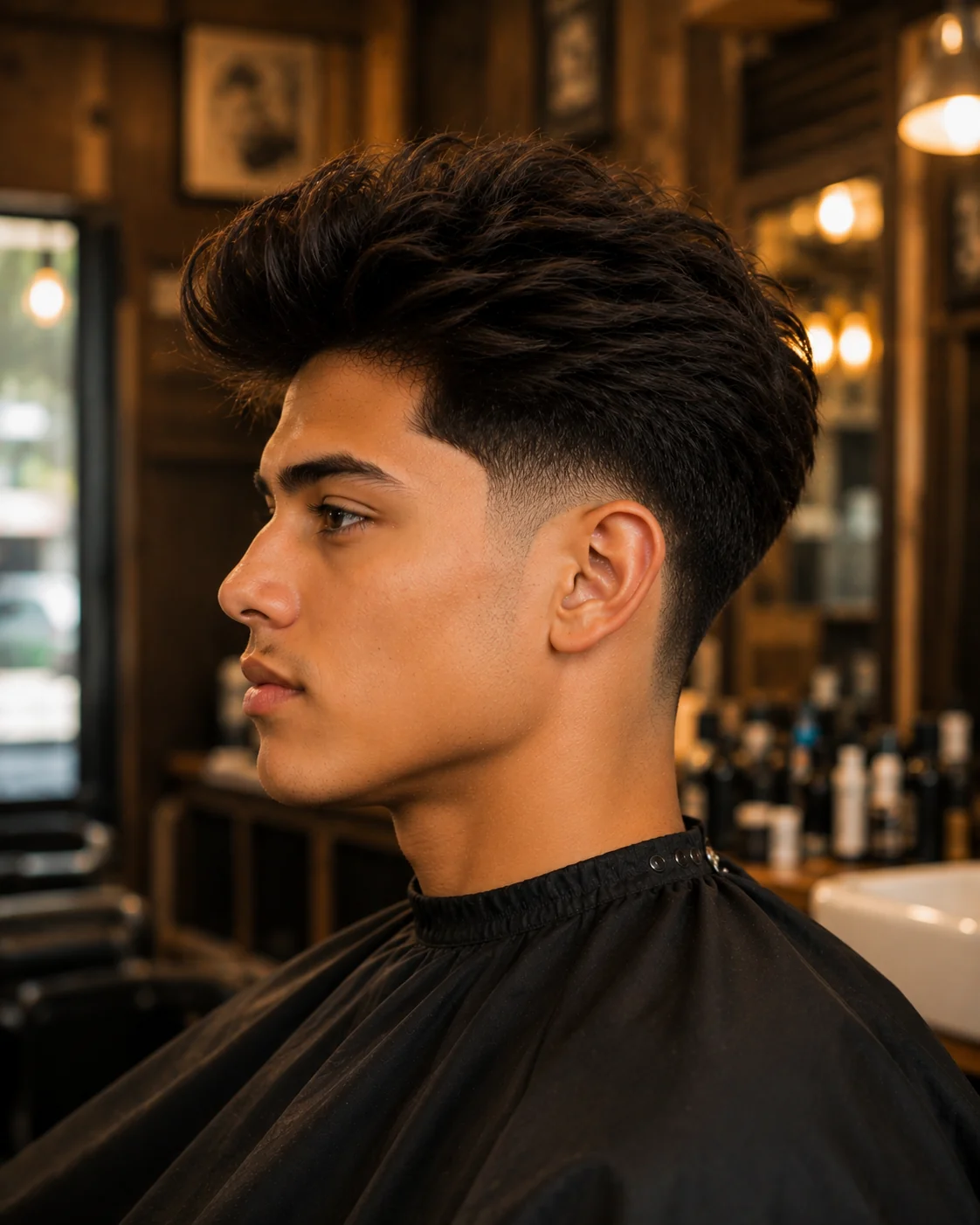
The low blowout taper is the most understated member of the family — the taper sits just above the ear and along the neckline, barely climbing the side of the head, while the top gets the full blow-dried volume treatment. From the front, most people won't even register that you have a taper; they'll just see a clean, full haircut. From the side, the detail work shows.
That subtlety is exactly why I recommend the low blowout taper as the starting point for anyone new to this cut. It's office-safe in the most conservative workplace, it flatters nearly every head shape, and — the underrated part — it grows out cleaner than any other version, buying you an extra week between barber visits without looking scruffy.
What Makes a Low Blowout Taper Different
Taper height is measured by where the shortest point of the blend sits on the head. On the low version, everything happens in a narrow band:
- Position: the taper begins just above the ear and wraps around the back hairline. The temple area is left almost untouched.
- Contrast: the jump from short to long is gradual and compressed, so there's no dramatic line — just a clean edge.
- Skin exposure: minimal to none. Most low tapers stop at a #1 or #2 guard rather than going to skin, though a skin finish at the sideburn is a common request.
- The top: identical to every blowout — 3 to 6 inches, cut with texture, blow-dried up and back. The taper height changes nothing about the styling routine in our how-to guide.
Low blowout taper vs mid and high
| Version | Taper Reaches | Vibe | Regrowth Shows |
|---|---|---|---|
| Low | Just above the ear | Subtle, professional | ~3 weeks |
| Mid | Temple level | Balanced, most popular | ~2 weeks |
| High | Upper temple | Bold, maximum contrast | ~10 days |
Who the Low Blowout Taper Suits Best
- First-timers. Lowest commitment, easiest to walk back — if you don't love it, it disappears into a regular cut within weeks.
- Professional environments. No visible skin fade, no dramatic lines; reads as simply well-groomed in any office or school.
- Fine or thinning hair. High contrast draws the eye to density differences; the low version keeps attention on the volume up top, which the blow-dry maximizes.
- Round faces. Keeping side length while adding top height elongates the face — the low taper preserves the most side hair of the three versions.
- Infrequent barbershop visitors. If you realistically get cut every 4–5 weeks instead of every 2–3, this is the only blowout version that still looks intentional at week four.
When to choose a different height
If your goal is the dramatic contrast you see in most viral photos, the low version will underdeliver — that look is a high blowout taper. And if you have very thick side growth, a low taper can look bulky by week three; the mid version removes more weight and holds shape longer for you.
How to Ask for a Low Blowout Taper
The exact words: "Low blowout taper — taper just above the ears and at the neckline, leave the sides mostly intact, keep the top long with texture so I can blow it out." Three add-on decisions worth stating up front:
- Sideburn finish: "square them off" (sharper) or "taper them naturally" (softer). Natural suits the low version's whole understated personality.
- Neckline: ask for a tapered neckline, not a blocked one — a hard block line defeats the purpose of a cut chosen for clean grow-out.
- Guard floor: if you want zero skin showing, say "nothing below a one." Barbers default differently shop to shop.
New to the cut entirely? Read What Is a Blowout Taper first so the chair conversation takes thirty seconds.
Low Blowout Taper FAQs
Is a low blowout taper professional enough for an office?
Yes — it's the most conservative version of the cut. With no skin fade and minimal contrast, it reads as a standard well-kept haircut in any workplace.
How often does a low blowout taper need maintenance?
A cleanup every 3 weeks keeps the edges crisp, with a full cut every 4 or so. It's the most forgiving schedule of the three heights.
Can I get a low blowout taper with a skin finish?
Yes — asking for skin only at the sideburn and behind the ear keeps the subtle character while adding a touch of sharpness. Full skin exposure pushes it toward fade territory.
Does the low version work with a fringe?
Very well — the low taper plus a textured fringe is one of the most balanced pairings, since neither element fights for attention.
Compare Before You Commit
See how the low version stacks against the rest of the family: