Blowout Taper vs Taper Fade: The Real Difference Explained
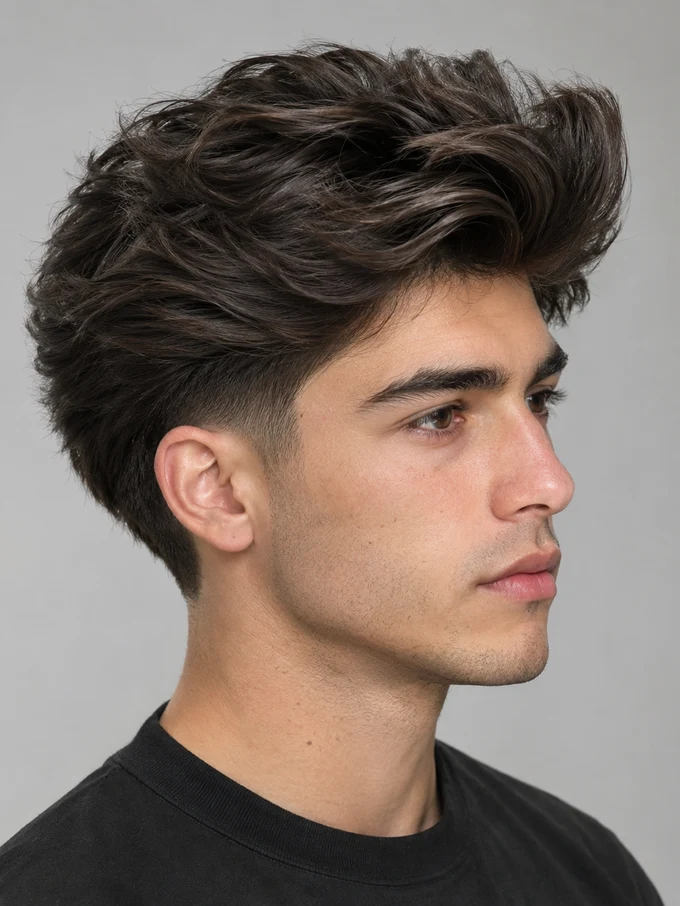
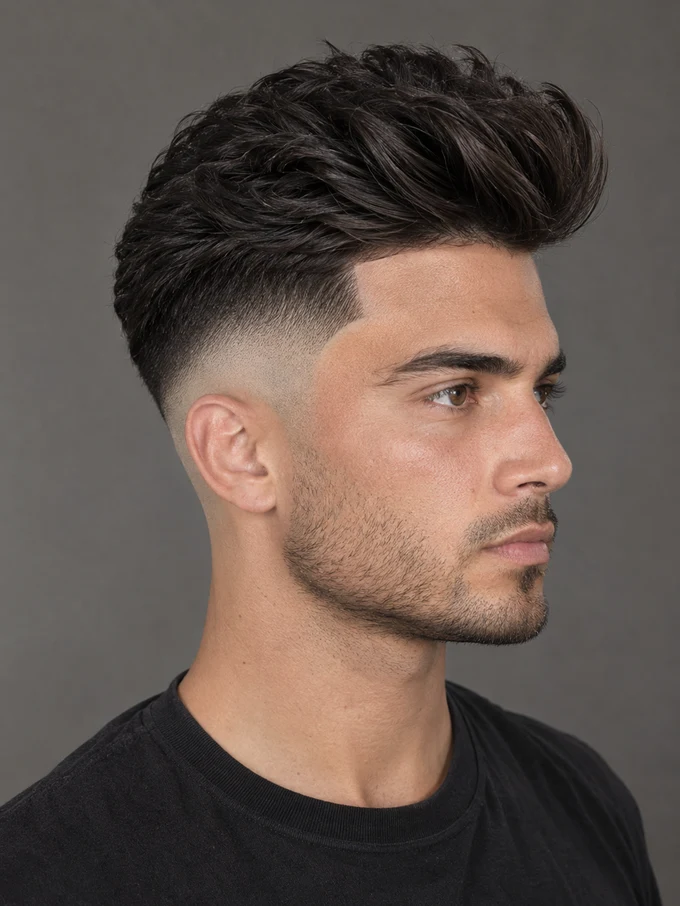
A blowout taper keeps the clipper work in a narrow band around the hairline edges, so most of the side stays at a wearable length. A taper fade takes the side down to skin somewhere along the way, how far up depends on whether you go low, mid, or high. The fade wins on contrast; the taper wins on how long it stays sharp between visits.
The blowout taper vs taper fade question comes up in my chair almost every week, and it's the most important distinction to understand before you sit down. Both cuts involve short sides and longer hair on top, and both are often called a "taper" in casual conversation, which is exactly where the confusion starts. They are structurally different cuts that produce different results, grow out differently, and suit different lifestyles.
One clarification before the breakdown: every "taper fade" on this page means the blowout taper fade specifically. The blown-out, voluminous top is identical whether you get a blowout taper or a low, mid, or high blowout taper fade. What changes between the two is only what happens on the sides.
Blowout Taper vs Taper Fade: Side-by-Side
Here is every meaningful difference between the two cuts in one place:
| Feature | Blowout Taper | Taper Fade |
|---|---|---|
| Where it works | Narrow band: temples, ears, neckline only | Skin fade starting above the ear (low) up to near the part (high) |
| Side hair length | Most of the side stays at wearable length | Side hair above the fade line stays at length; below it, taken to skin |
| Skin exposure | Minimal, usually a #1 or #2 at the base | High, goes to skin, more of the side on a high fade than a low one |
| Contrast level | Subtle to moderate | High to very high |
| Maintenance | Every 2–4 weeks | Every 10–14 days |
| Grow-out | Gradual and clean | Visible within 10 days |
| Workplace suitability | Any environment | Conservative offices may push back on higher fades |
| Best for | Versatility, lower maintenance | Maximum contrast, frequent shop visitors |
Where the taper works on the head
On a blowout taper, your barber only works the clippers through a band roughly two fingers wide around the perimeter of your hairline, above the ears, around the sideburns, and along the neckline. Everything above that band stays at its natural length. That is why the sides of a taper still have visible hair even close up.
On a taper fade, the clipper work takes the side down to skin, starting above the ear on a low fade, at the temple on a mid fade, or near the part line on a high fade. The higher the fade line, the more of the side reads bare when you look at it straight on. That coverage is what creates the high-contrast, disconnected look you see in a lot of barbershop photos.
Which One Should You Choose?
| Situation | Get This |
|---|---|
| Shop visits every 2 weeks or less | Taper fade |
| Shop visits every 3 weeks or more | Blowout taper |
| Conservative office | Blowout taper |
| Thick hair | Either, taper fade for more contrast |
| Fine or thinning hair | Blowout taper |
The blowout taper vs taper fade decision comes down to three factors:
- Maintenance schedule. The blowout taper at any height looks intentional for two to four weeks. The taper fade starts showing regrowth within ten days. If your shop visits are irregular, the taper is the only version that stays presentable.
- Contrast preference. If you want the dramatic, high-contrast look from barbershop photos, that's the taper fade. If you want a clean, polished cut that doesn't announce itself across the room, that's the blowout taper.
- Workplace. The blowout taper passes in any professional setting, there's little exposed skin and no dramatic line. A high taper fade with skin showing reads as a bold style choice in conservative offices.
Still not sure? Take the Find Your Blowout Taper quiz for a quick recommendation, then read How to Ask for a Blowout Taper once you've picked one.
Is there a middle ground between them?
Yes, a low fade. If you want more contrast than a taper gives but don't want skin showing high on the side, ask for a low fade. It's the middle ground: skin starts above the ear instead of at the temple or part line, so you get more definition than a taper without the maintenance of a mid or high fade. See the blowout taper vs low taper fade comparison for the full breakdown.
Does hair texture change the choice?
A little, on the fade side. Looser, wavy-curl hair blurs the regrowth line for a few extra days, so a taper fade stays presentable a bit longer than it would on straight hair. Tighter coils do the opposite: new growth shows up fast against a clean fade line, so coily hair needs edge visits sooner, not later. For coily hair on a tight maintenance budget, the taper is the lower-upkeep pick either way.
Blowout Taper vs Taper Fade FAQs
Is a blowout taper the same as a taper fade?
No, and the difference is mostly about upkeep, not looks. From the front, a low taper fade and a blowout taper can look nearly the same. The gap shows up two weeks later: the taper's soft edges are still clean, while the fade's skin line has already started to grow in and needs a touch-up.
Which lasts longer between haircuts, a blowout taper or a taper fade?
The blowout taper. A low or mid blowout taper can go two to four weeks before looking overgrown. A taper fade typically needs a cleanup every ten to fourteen days, since regrowth on the skin-exposed areas shows up fast.
Does a taper fade suit every face shape?
Most face shapes work with a taper fade, but the high contrast amplifies the head shape, any bumps, flat spots, or asymmetries become more visible. The blowout taper is more forgiving because the sides are not stripped bare. Oval and longer face shapes get the most benefit from the height contrast a taper fade creates.
Can I switch from a blowout taper to a taper fade at my next appointment?
Yes, going from a taper to a fade just means asking your barber to extend the clipper work higher and further up the side. You don't need to grow anything out first. Going the other direction (fade back to taper) takes three to six weeks for the sides to fill back in.
Does curly hair work better with a taper or a taper fade?
Both work on curly hair, but the effect depends on curl pattern. Looser, wavy curls blur a fade's regrowth line for a few extra days. Tighter coils show new growth faster against a clean fade line, so they need more frequent edge visits, not fewer. For coily hair the taper is the lower-upkeep pick.
More Comparisons
See how the blowout taper stacks up against other cuts:
TheBlowoutTaper.com is an independent style guide and is not affiliated with, endorsed by, or sponsored by any barbershop chain or product brand mentioned on this site. Cut names and heights vary by shop, bring a photo to confirm what your barber means before they start clipping. This page is for general style reference, not a substitute for an in-person consultation.